Concrete driveway building
We break out the old driveway, dig and pack the base, and slope the new one so water runs to the street, not toward your garage.
R&M Woodland Concrete Company is a concrete contractor working in Davis, CA. We pour driveways, patios, walkways, garage floors and foundations for Davis homes, and we take on the cuts and awkward slabs other crews pass on.
Davis is a short drive from our base in Woodland, and a lot of the calls we get here are for the backyard and the front walk: a patio that's started to tip, a cracked driveway, a side-yard path that's lifted at one end. Plenty of Davis homes sit near a park or one of the city's greenbelts, so before anything else I look at where your water runs, because a slab that falls toward the house or sends runoff onto the path behind you causes trouble every time it rains. We pour the same way in Dixon and Winters, but every lot handles heat and water a little differently, and that's what shapes the plan.
The price moves with the size of the job, whether an old slab has to be broken out and hauled off, how much digging and packing the base needs, and the finish, whether that's a broom finish, the light grooved texture that keeps feet from slipping, or a stamped pattern. The schedule turns on the weather, on curing, which is the wait while the concrete hardens before you walk or drive on it, and on whether the job needs a permit and inspections. I come out, look at it in person and put your price in writing.
I look at the job and write the estimate myself, and I'm on site on pour days, so the person who planned your slab is standing there when the truck arrives.
California licenses the contractors who build or alter structures, so ask any crew for their state license before you sign. We're licensed and fully insured, and the questions below cover when the state requires it.
We're best known for the tricky ones, like a slab on an awkward lot, a driveway that has to meet the street just right or a cut through a foundation wall.
We break out the old driveway, dig and pack the base, and slope the new one so water runs to the street, not toward your garage.
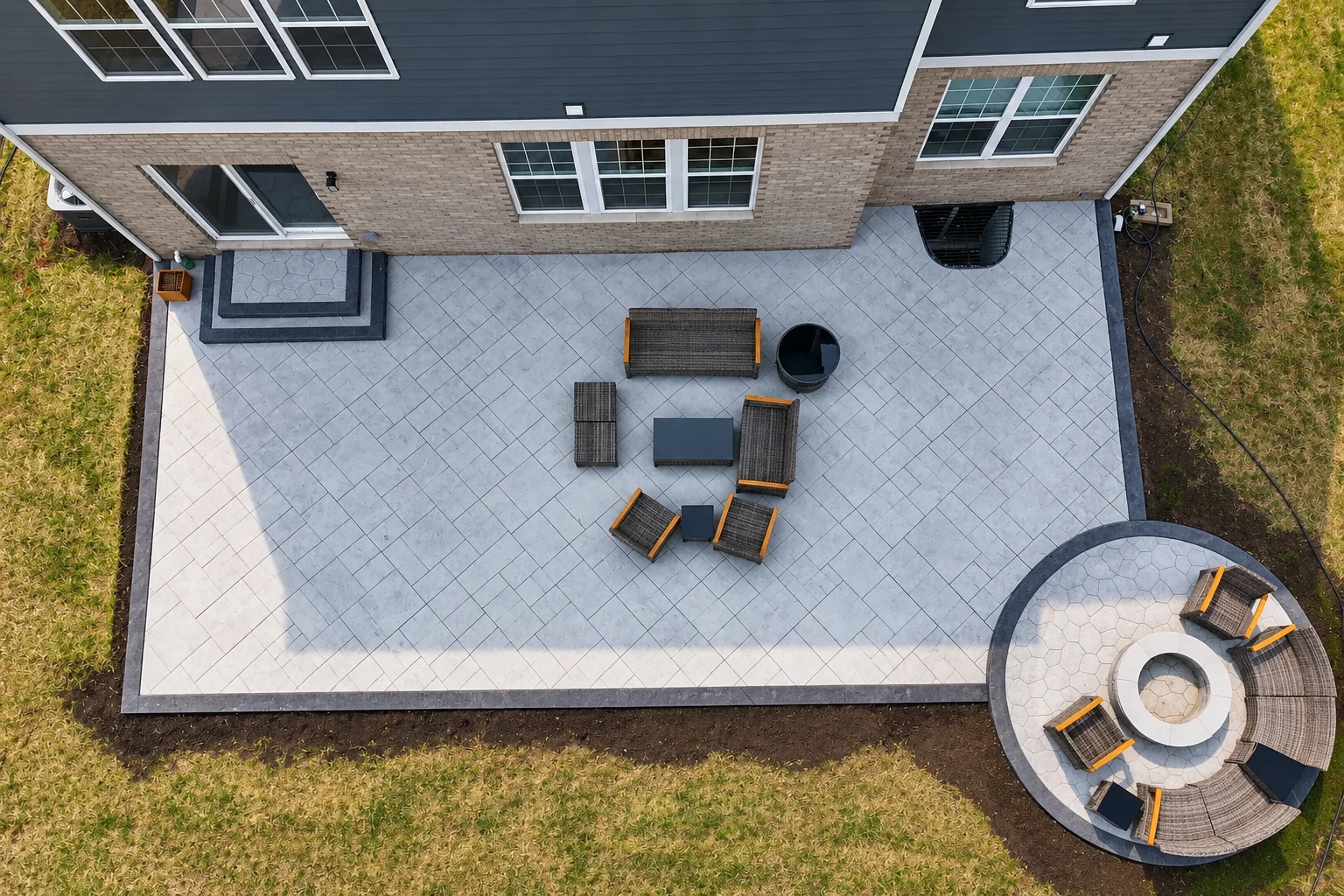
A patio has to fall away from the house, so we check where water runs before forming, then cut control joints, the grooves that decide where cracks form.
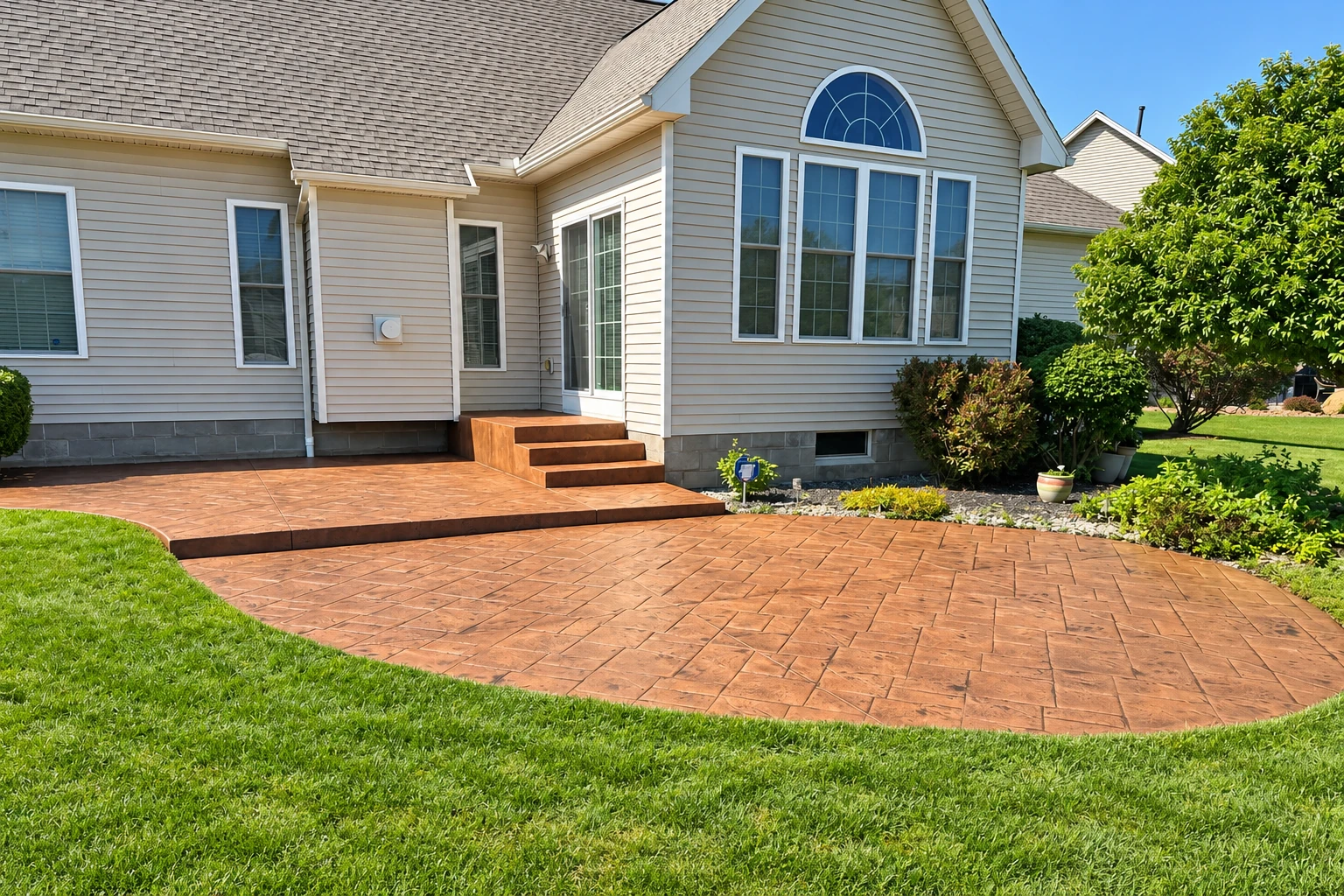
Stamped concrete gets its pattern pressed into the wet surface, so timing and crew size matter. We'll go over patterns and colors at the estimate and how each one wears.
We replace walkways and side-yard paths that have lifted or sunk, matching the height at doors and gates so nobody catches a toe, and give each section its own joints.
A garage floor carries the weight of your car and its drips, so we pay close attention to thickness and to the slope toward the door, and we can tie it into the driveway.
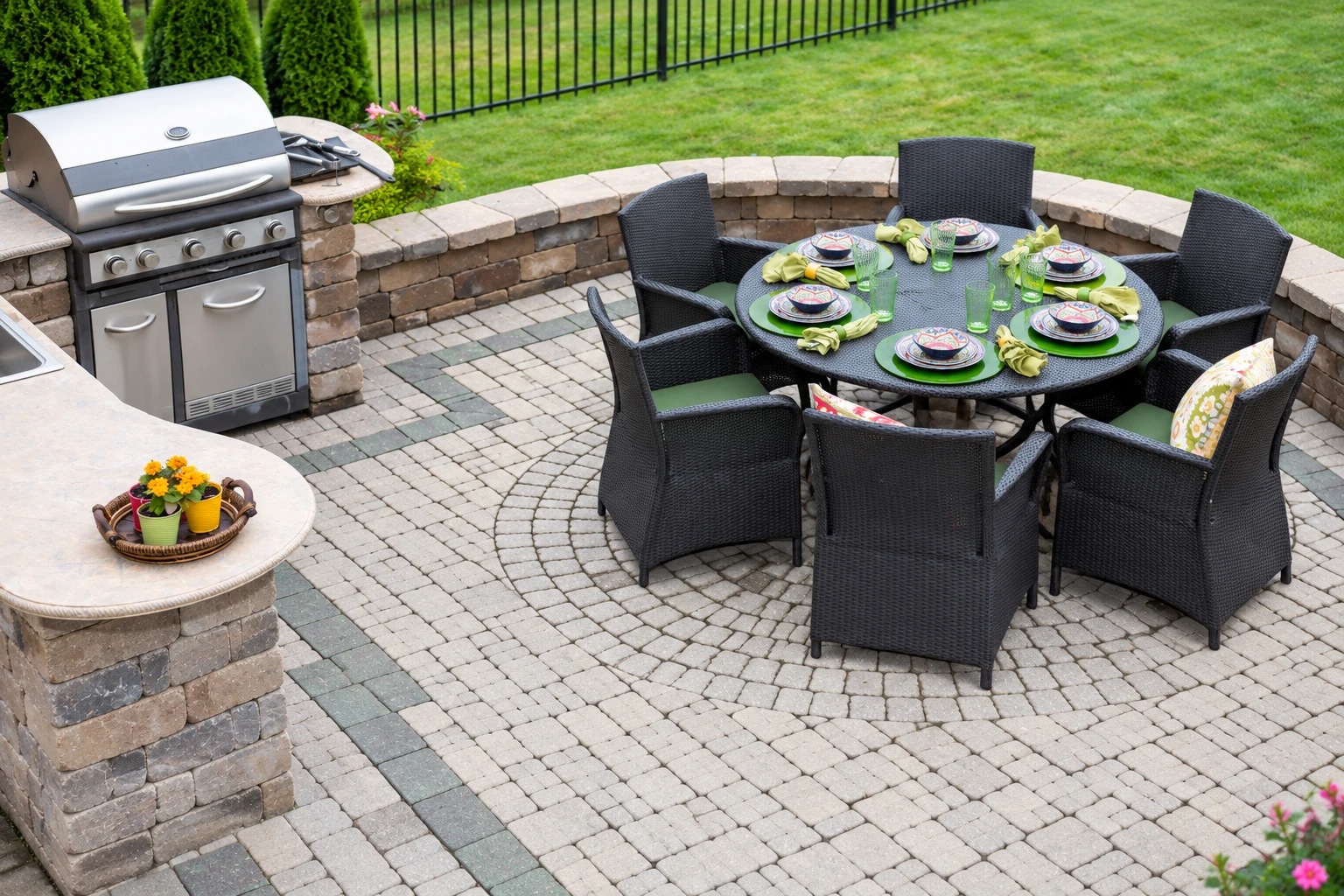
Colored, exposed-aggregate and textured finishes go on the same packed base as a plain slab. The look sits on top, so it lasts only as long as the base under it.
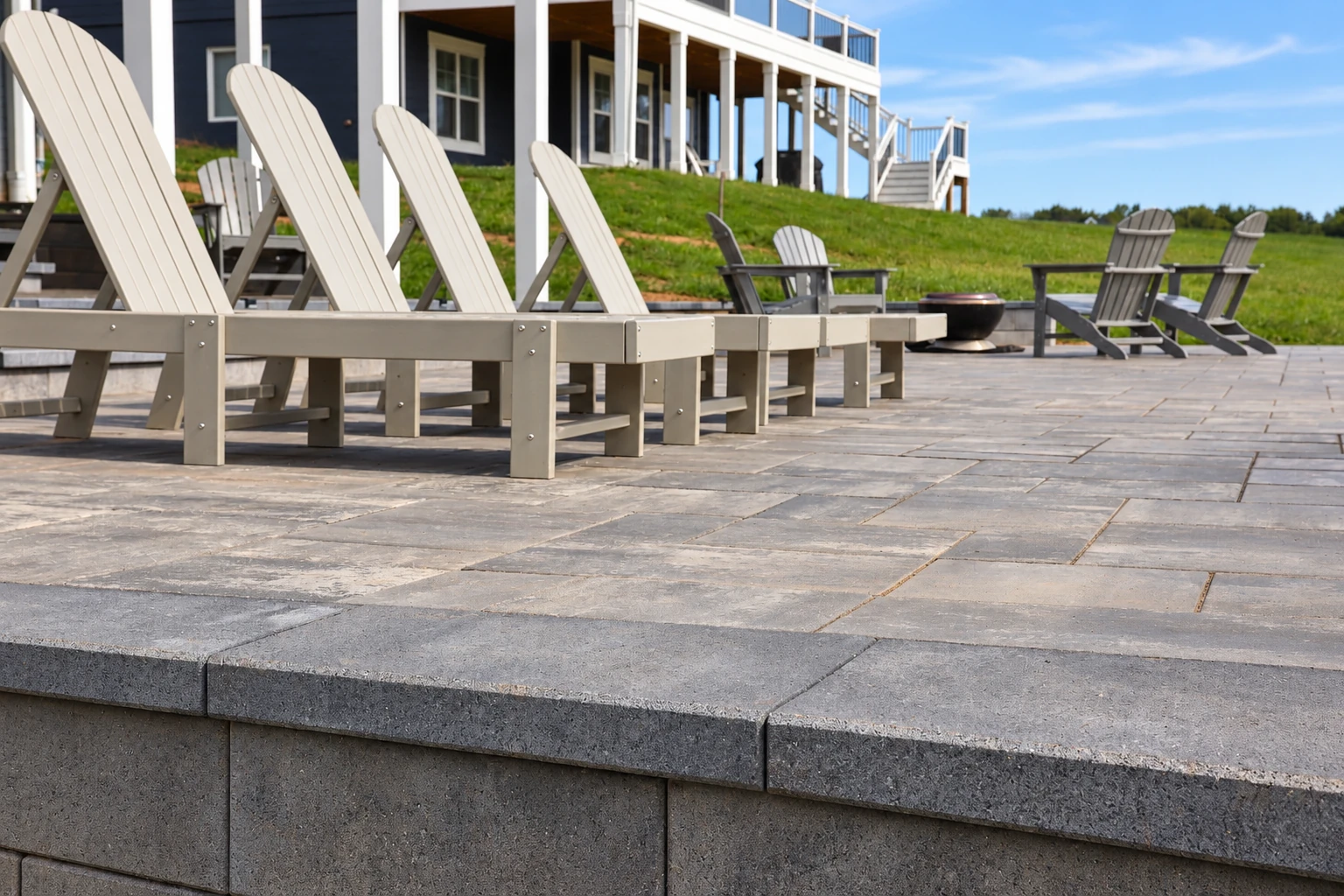
When a yard steps down or a bed needs holding back, we build concrete walls with drainage behind them, because trapped water pushes on a wall. Some need an engineer.
For shops, additions and sheds, we pour interior floors flat and smooth, with a vapor barrier underneath when the use calls for one, so the floor stays dry.
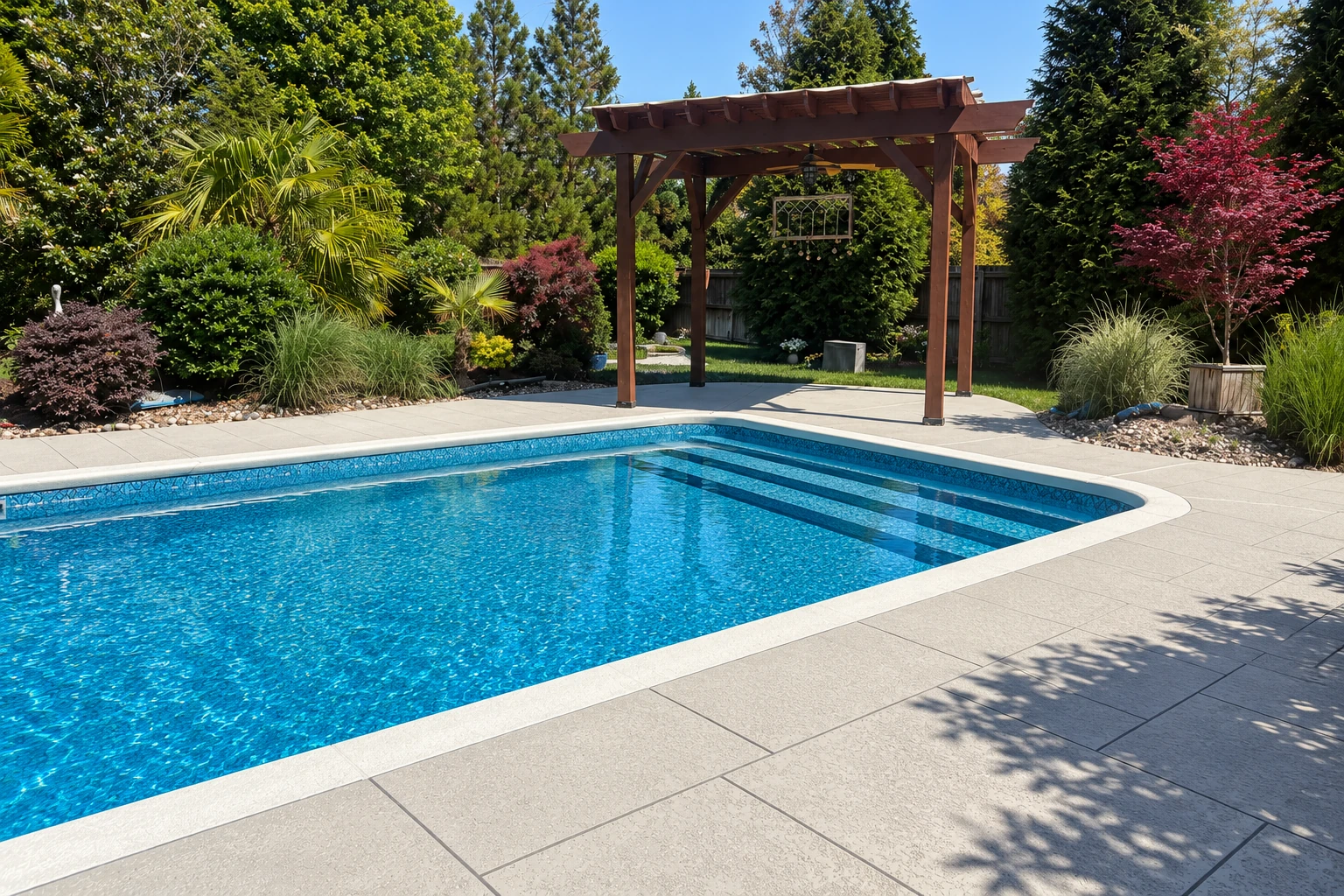
A pool deck has to drain away from the water and keep its grip when wet, so we set the slope carefully and pick a finish that isn't slick underfoot.
We form front and back steps with even rises so every step feels the same under your foot, and we tie them into the slab or porch they meet.
For additions and small buildings, we pour slab foundations to the plans, with rebar, the steel inside that holds the slab together while it carries the load.
We dig, form and pour foundations for new structures, working from the engineer's or designer's plans and scheduling inspections when the permit calls for them.
Small lots for shops and rental properties get the same base work as a driveway, built thicker for heavier traffic and graded so water reaches the drains.
Footings carry posts, walls and patio covers, so we dig them to the depth and size the plans call for and pour them before anything goes on top.
When part of a house has settled, we work out why before quoting a fix, and an engineer often has to make the call on how it gets raised.
We saw-cut openings through slabs and foundation walls for doors, drains and plumbing, laying out every cut and checking what's inside the wall before the blade goes in.
Send the form and we'll reply within one business day to set a time. I come out to see the job, then put the price in writing, with no obligation.
Estimates are free and done at your house, because I can't price a slab honestly without seeing the slope, the access for the truck and how your water runs.
After I've seen the job I write the price down, so you know what's included and can compare it with other bids before you decide anything.
Cracks, a sinking corner or water pooling by the door each point to a different cause, so a line about it in the form helps me come prepared.
Here's what Davis homeowners usually ask before a driveway, patio or slab goes in, from licensing to how the weather affects the pour.
Yes, when the job needs a building permit, uses any additional workers, or costs $1,000 or more in total. The state licensing board counts labor and materials across every contract on the project, and a bigger job can't be split into smaller pieces to stay under that line. Owners working on their own property themselves, or with their own paid employees, may be exempt.
Some concrete jobs need a permit and some don't, and we find out before you get a final price. When a job needs one, we handle the application and schedule the inspections. If we're not sure about yours, we check with the local building office before we finalize the estimate, so the price already accounts for it.
Concrete can crack, but most of the bad cracks I see trace back to a soft base, water running the wrong way or joints cut too late. We dig out and pack the subgrade, the ground the slab sits on, and cut control joints on time so any crack lands in a groove we chose. If the budget is tight, I'd keep the money in the base and trim the finish.
A weather station near Davis averages highs of about 94°F in its hottest month and 57°F in its coolest, with a little over 19 inches of precipitation a year. Heat is the bigger worry for a pour, because a surface that dries too fast turns weak and dusty, so on hot days we pour early and keep the slab damp while it cures.
These are the cities with their own page on our site, and we work in others around Woodland too. If yours isn't listed, call or send the form and ask anyway.
Call (530) 309-0224 or send the form with a few details, so I can come to the estimate already thinking about your job.