Shop and office lots
Customers see your lot before they see your door. We build lots for shops, offices and small commercial buildings with the base and drainage worked out before the truck shows up.
Cracked, sinking or puddling pavement out front? We dig out, pack and pour a new concrete lot that sheds water and stays flat.
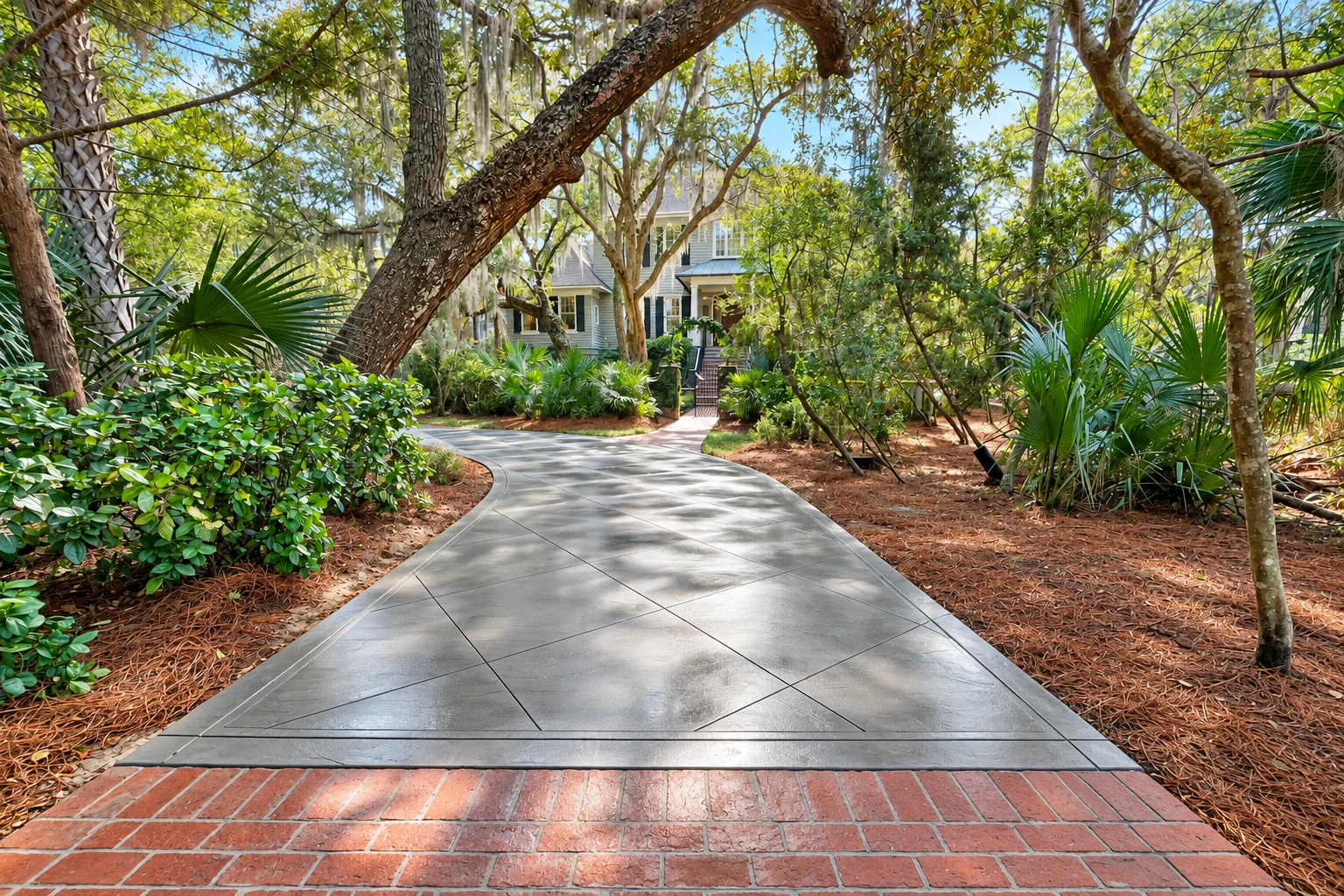
Concrete parking lot building in Woodland means forming, pouring and finishing a concrete surface for cars over a dug-out, packed base. When the design and building methods suit parking use, a concrete lot gives many years of service with little upkeep.
Most calls start with an old lot that's cracked, sinking or holding water, or a new building that needs a place to park. The price comes down mostly to the square footage, whether there's old pavement to tear out, how much base work the ground needs and how thick the slab has to be. The schedule turns on permits, inspections, the city's work hours and the weather on pour day, so I sort out what I can before I put the price in writing. We're based in Woodland and work in the cities around it, from Davis and Winters to Roseville and Elk Grove.
I come out myself to look at your lot and write the estimate, and I'm on site on pour days, so the person who planned the job is there when it counts.
I learned concrete on a big commercial outfit pouring parking lots, where the specs were tight and an inspector checked each phase. We've been in business since 2013 doing the same careful work.
Our own crew does the forming, pouring and finishing, and we're licensed and fully insured, so the people on your lot are the ones I trained and answer for.
Before I price anything, I ask how big the lot is and whether it's new or a replacement, because that shapes the stormwater side of the job. Then I walk it and watch where the water runs, since a lot that drains toward a building or into a low corner causes trouble for years. On the job we dig out the subgrade, the ground the slab sits on, and pack a firm base instead of raking dirt level, because a soft base is why most old lots sink and crack. If the budget gets tight, I'd rather drop a decorative extra than skimp on the base, since nobody sees it on day one and it's what decides how the lot holds up. We set forms, lay rebar where the job calls for steel to hold cracks tight, and pour on a day the weather suits. We give it a broom finish, a light texture so tires and shoes grip when it's wet, and cut control joints on time, grooves that give the slab a straight place to crack instead of a random one. The lot then stays closed while it cures, the wait that lets the concrete gain strength before cars roll on, and before we leave we talk about upkeep so small repairs get handled before they grow.
A lot is rarely just a slab. Light poles, signs and carport posts need concrete footings, and we set those before the pour so everything ties in. If the building beside the lot has settled, foundation raising is worth doing first so the new concrete meets the doorways at the right height.
Customers see your lot before they see your door. We build lots for shops, offices and small commercial buildings with the base and drainage worked out before the truck shows up.
Tenants park in the same spots every day, so tire wear and puddles show fast. We grade the slab so water leaves the parking spots instead of sitting where people step out.
When the old lot is cracked, sunken or broken up, we tear it out, fix what's underneath and pour new, because the trouble usually started in the base and not the surface.
New concrete has to meet the old at the right height and drain the same way. It's a tricky detail, and the kind of puzzle I'd rather work out up front.
Send the form and we'll reply within one business day to set a visit. I'll look at the lot in person and put the price in writing, free and with no obligation.
A rough size and whether the lot is new or a replacement help me most, since the city sorts stormwater rules that way and it changes the work we plan.
Old asphalt, cracked concrete or bare ground, plus any spots where water pools, tell me how much tear-out and base work to plan before I come out.
A building next door, an odd slope or a tight schedule are worth raising early, because I'd rather work out a tricky detail now than leave you guessing later.
Look through broom finishes, slab edges, joint lines and decorative borders, then bring the ones you like to the estimate so we can talk them over.
Straight answers to what property owners ask before a lot goes in, from cost and permits to repairs and pour-day weather.
Concrete slabs in the Sacramento area usually cost about $7 to $14 per square foot, and that's the going market range, not our quote. Reinforced slabs run a little more per square foot than plain pads, and staining or stamping adds to it. I'll measure your lot and put your own price in writing at the estimate.
Woodland requires a building permit to build, alter, repair or demolish a building or structure, with some exceptions, and the city's Building Division confirms which projects need one. Other city divisions, like public works or fire, may require their own permits too. When your lot needs one, we handle the application and schedule the inspections, and if we're unsure, I check with the city before finalizing the estimate.
Yes. The city's stormwater plan treats a new lot under 5,000 square feet, or replacing 2,500 square feet or more of one, as a small project. Creating or replacing 5,000 square feet or more of hard, watertight surface makes it a Regulated Project, and the city checks every year that its stormwater treatment is kept in working order.
National concrete industry guidance puts a lot's first repairs at about 10 to 15 years, while the pavement still shows little wear. Fixing isolated damaged spots at that stage is the least costly first response, so it's worth budgeting for early instead of waiting for wide cracking. Our work is backed by our satisfaction guarantee.
It can be. National concrete pavement guidance warns that heat above 90 degrees, low humidity, wind and strong sun can harm fresh concrete by drying it out too fast, and pour-day weather shows up in the finished lot. So we pick the pour day around the forecast, and I'd rather move a pour than rush one into weather that leaves a weak, dusty top.
The city allows construction from 7 a.m. to 6 p.m. Monday through Saturday and 9 a.m. to 6 p.m. on Sundays and holidays, and other hours need the Building Official's approval. On a hot day that means starting right at 7. The city also inspects all permitted work, and we book those inspections at least a day ahead so the pour stays on track.
Call (530) 309-0224 or send the form, since sorting out permits and stormwater early lets us book the pour on a good-weather day.