Front walk to the door
The path from the driveway to your front door gets the most foot traffic, so a raised edge or a puddle there bothers you every day until it's replaced.
Muddy path, cracked slabs or a walk that trips people? We dig out, pack the ground and pour a new concrete walk that's even underfoot.
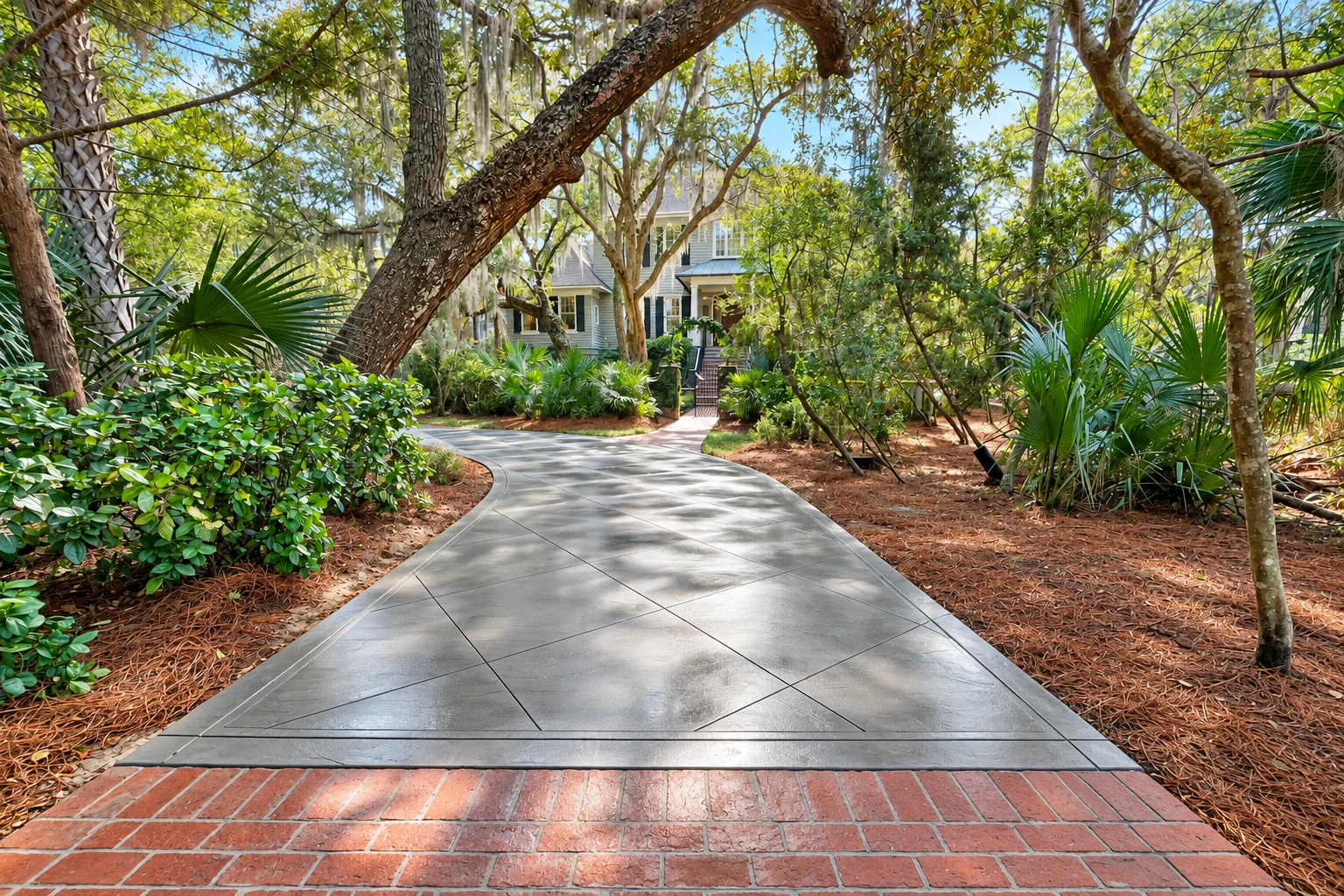
Concrete sidewalk building in Woodland means laying out your path, digging it out, packing a firm base and pouring a new walk that sits even underfoot, followed by a few days of curing before it sees regular use.
Maybe the old walk has heaved over a tree root, or there's a dirt track where a path should be. The price comes down to the walk's size, how much old concrete or soil has to come out, how close we can get a truck or wheelbarrow, and the finish you want. The schedule turns mostly on the weather, the curing wait and, if the walk touches the street, the city's permit review. I'll walk it with you, ask a lot of questions about where the water goes and who uses the path, and put the price in writing.
Our own crew does the forming, pouring and finishing, and I'm on site on pour days, so the person who priced your walk is there when the concrete goes in.
I learned concrete on commercial jobs where an inspector checked each phase, and I've brought that same careful work to homes since starting this business in 2013.
We're licensed and fully insured, and if your walk needs a permit we handle the application and inspections. Not sure? We check with the local building office before the estimate is final.
Most of the work on a walk happens before the concrete arrives, so we take our time getting the ground firm and even. We dig out the path, pull any soft or root-filled soil and pack the subgrade, the dirt the walk sits on, so it's far less likely to settle and take the concrete down with it. If the budget is tight, I'd rather keep that base work and go with a plain finish, because you can dress up a walk later but you can't fix what's under it without tearing it out. Then we set forms with a slight fall away from the house, so rain runs off instead of pooling at your foundation. On pour day our crew places and smooths the concrete, gives it a broom finish, a light texture that keeps shoes from slipping when it's wet, and cuts control joints, shallow grooves that give the slab a planned place to crack instead of a random one. Then it's left to cure, and every walk we pour is backed by our satisfaction guarantee.
A walk rarely stands alone. If it runs to the garage, we can pour a new garage floor concrete slab at the same time so the two meet flush at the door. If you'd like more than a plain gray path, decorative concrete brings in color, a stamped pattern or an exposed stone finish.
The path from the driveway to your front door gets the most foot traffic, so a raised edge or a puddle there bothers you every day until it's replaced.
A path down the side yard to the gate or the trash cans beats muddy ground, and these narrow spots between a fence and the house are the kind of puzzle I enjoy.
When an old walk has cracked or sunk, the trouble usually started underneath, so we break it out and rebuild the ground before pouring rather than patching the top.
If work by the street damages the public sidewalk, Woodland's engineering standards call for rebuilding it to current ADA accessibility standards, and downtown or other specific plan areas may need an enhanced sidewalk treatment.
Send us the form and we'll reply within one business day to set a time. I come out, look at the walk in person and put the price in writing, free and with no obligation.
Tell us where it starts and ends, like the front door, a side gate or the back patio, so I can picture the route and any steps or slopes before I come out.
Let us know if the walk touches the curb or the public sidewalk, because then we check with the city early about what it needs from us.
Length times width is plenty, even paced off, since it gives me a starting point and helps me plan what to look at on site.
Use these photos to think about finishes, widths and edge details for your walk, from a plain broom finish to colored or patterned concrete.
Straight answers on permits, cost, pour timing and curing for a new concrete sidewalk in Woodland.
Yes, if the walk sits in the public right-of-way along the street, since the city requires an encroachment permit for any work there, including a new sidewalk. Woodland's Engineering Services issues it, wants a plan of the work with the application and asks you to allow one to three weeks for review. We handle the application and schedule the inspections.
A new concrete sidewalk in the Sacramento area usually costs about $5 to $15 per square foot. That's what the work tends to run around the region, not our price, and the low and high ends are far apart, so don't multiply it out just yet. I'll measure your walk and put the price in writing.
Outside the hottest part of the day when you can, which is what a concrete industry trade group advises for placing and finishing. On hot, dry days the guide also says to dampen the ground, forms and steel reinforcement first without letting water pond, and it notes a hot day followed by a cool night can bring cracking.
Curing, the wait while the concrete stays damp and hardens, should last at least three days in hot weather, according to the same trade group. That can mean wet burlap under plastic, a liquid curing compound or water, so plan on the new walk staying covered or damp through that time.
Ask how they'll water and pack the ground before any concrete goes in, since the state's highway department calls for that step on its own sidewalk jobs and has soft, spongy spots dug out or dried first. Ask how they finish the top too, because the trade group says water shouldn't be sprinkled on the slab to ease finishing.
We're open seven days a week, so call (530) 309-0224 or send the form whenever it suits you and I'll come see the walk.