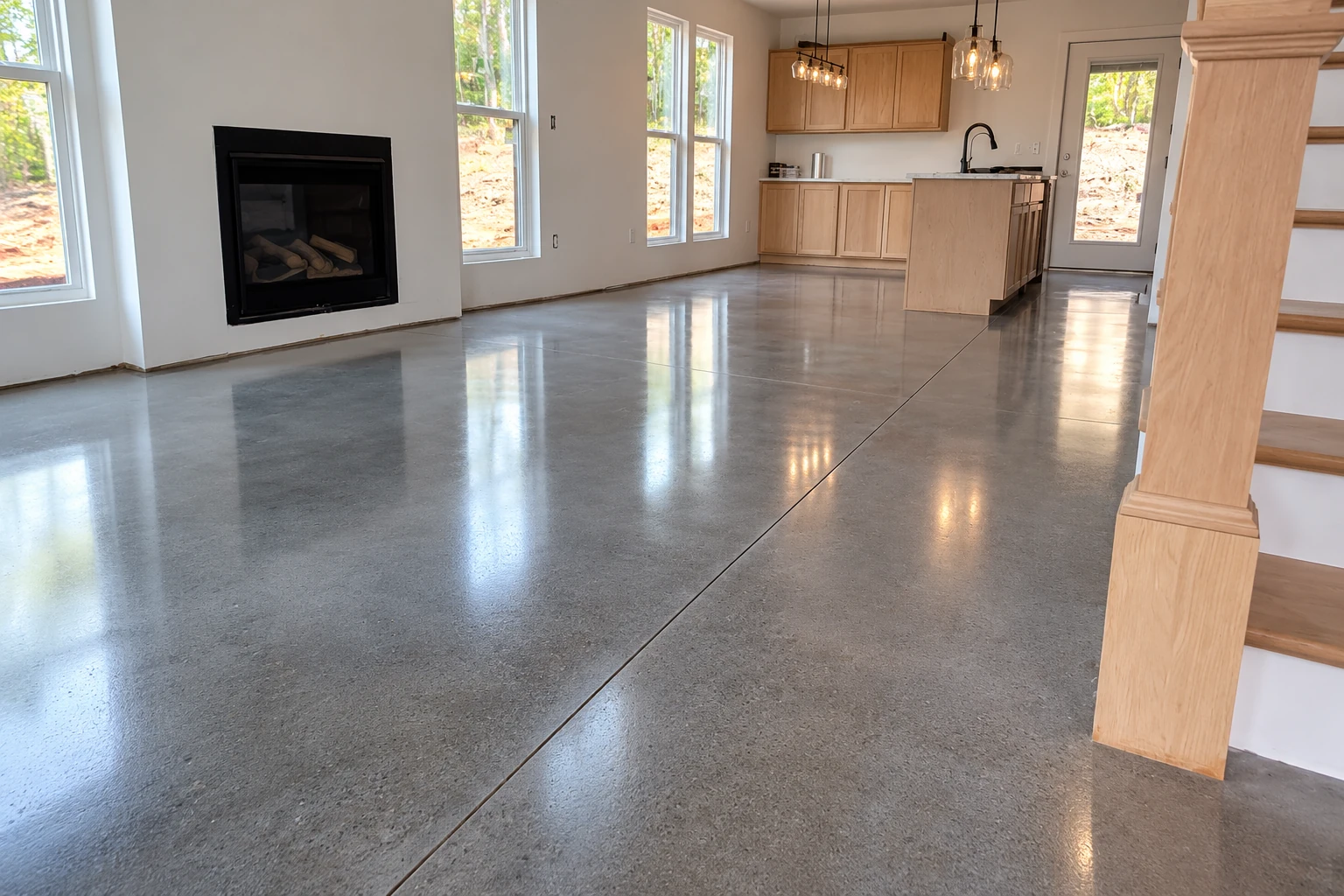
Concrete driveway building
We plan where the driveway meets the street and the garage before the pour, and pack the subgrade, the ground under the slab, so it can carry your cars.
R&M Woodland Concrete Company is a concrete contractor based in Woodland that pours driveways, patios, walkways, garage floors and foundations for homes and small properties in Elk Grove, with our own crew forming and finishing the work.
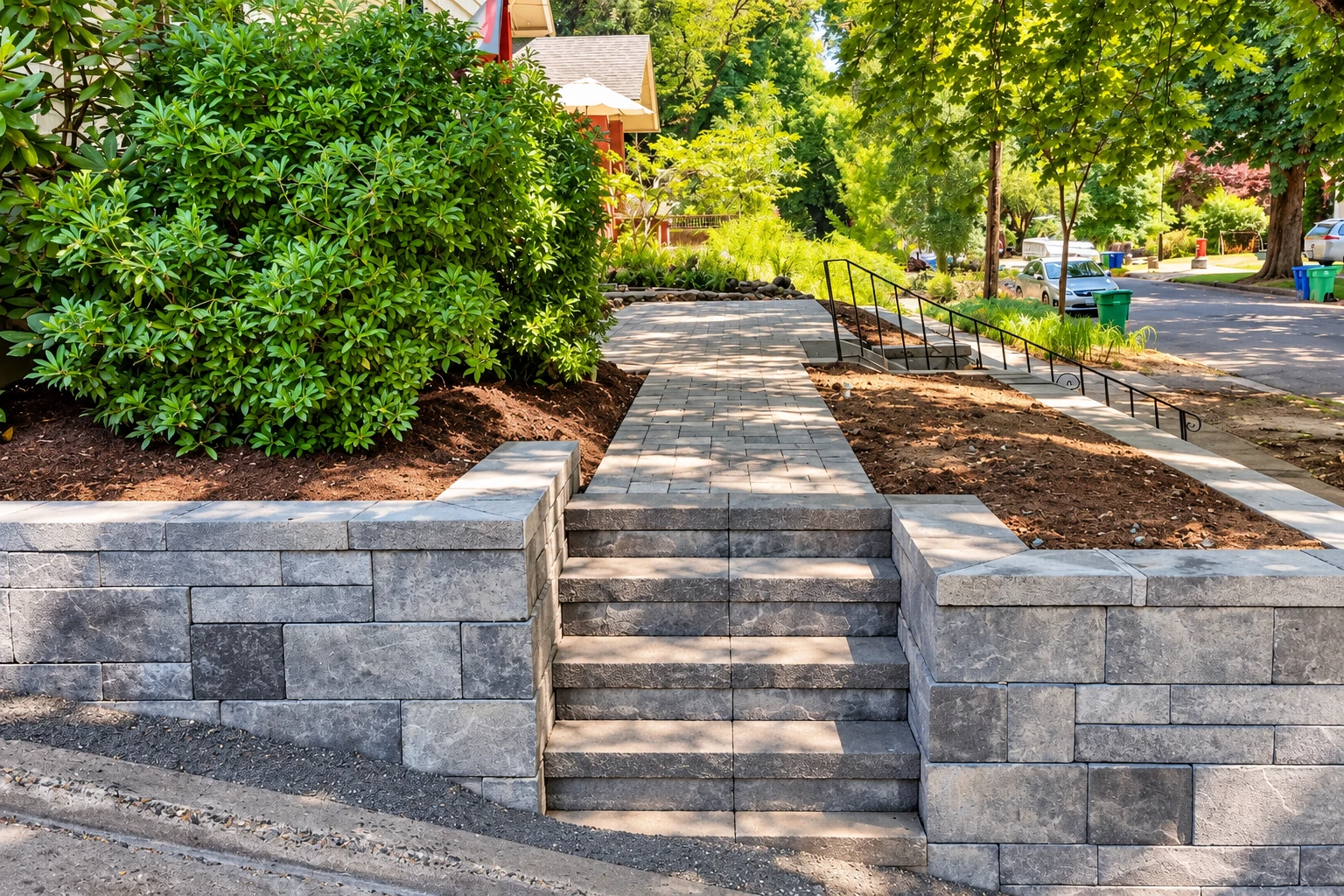
Most of what we pour in Elk Grove is flatwork, the driveways, patios and walks that lie flat on the ground, along with footings and slabs for small builders. Near Old Town on Main Street the job usually starts with breaking out old concrete, while out in the newer neighborhoods it's more often a new patio or a wider driveway. We make the same drive to Roseville and nearby Florin from our base in Woodland.
What moves your price is the size and thickness of the slab, whether old concrete has to come out, how much base work the ground needs and the finish you pick. The schedule turns mostly on the cure, the days new concrete needs to gain strength before you walk on it, and more days after that before you drive on it. I put your figure in writing after looking at the job, because what's under the old slab and where the water runs decide the base, and the base comes first.
We're licensed and fully insured, which matters here because the state expects a license on most concrete jobs, as the first question below explains.
I drive down to Elk Grove to see the job and write the estimate myself, because the questions I ask standing on your driveway shape how we plan the base.
Our own crew does the forming, pouring and finishing, and I'm on site on pour days, so the person who planned the joints is there when they're cut.
We plan where the driveway meets the street and the garage before the pour, and pack the subgrade, the ground under the slab, so it can carry your cars.
We set the patio to fall away from the house, so rain runs off toward the yard instead of pooling against your foundation, and finish it however you'll use it.
Stamped concrete gets pressed with a pattern while it's still soft, so timing matters, and we plan the joints so they fall along the pattern's lines.
Walkways get a broom finish, a light dragged texture that gives shoes grip when it's wet, and a slight cross slope so water sheds off the path.
A garage slab carries car weight every day, so we place rebar, steel bars that hold the pieces together if it cracks, and slope the floor toward the door.
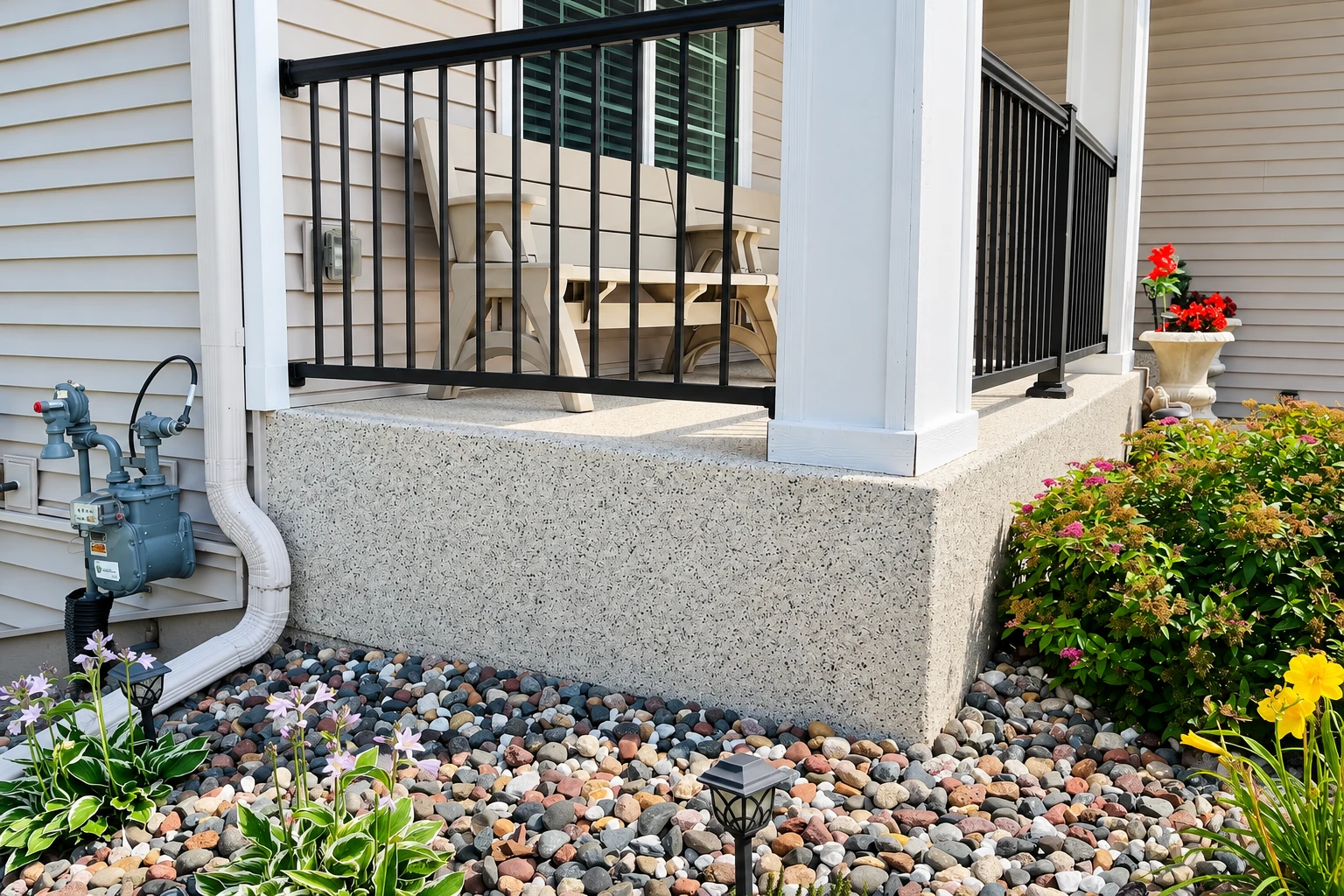
Color, exposed stone or a scored pattern can dress up an entry or patio, and we talk through how each finish wears and cleans before you pick one.
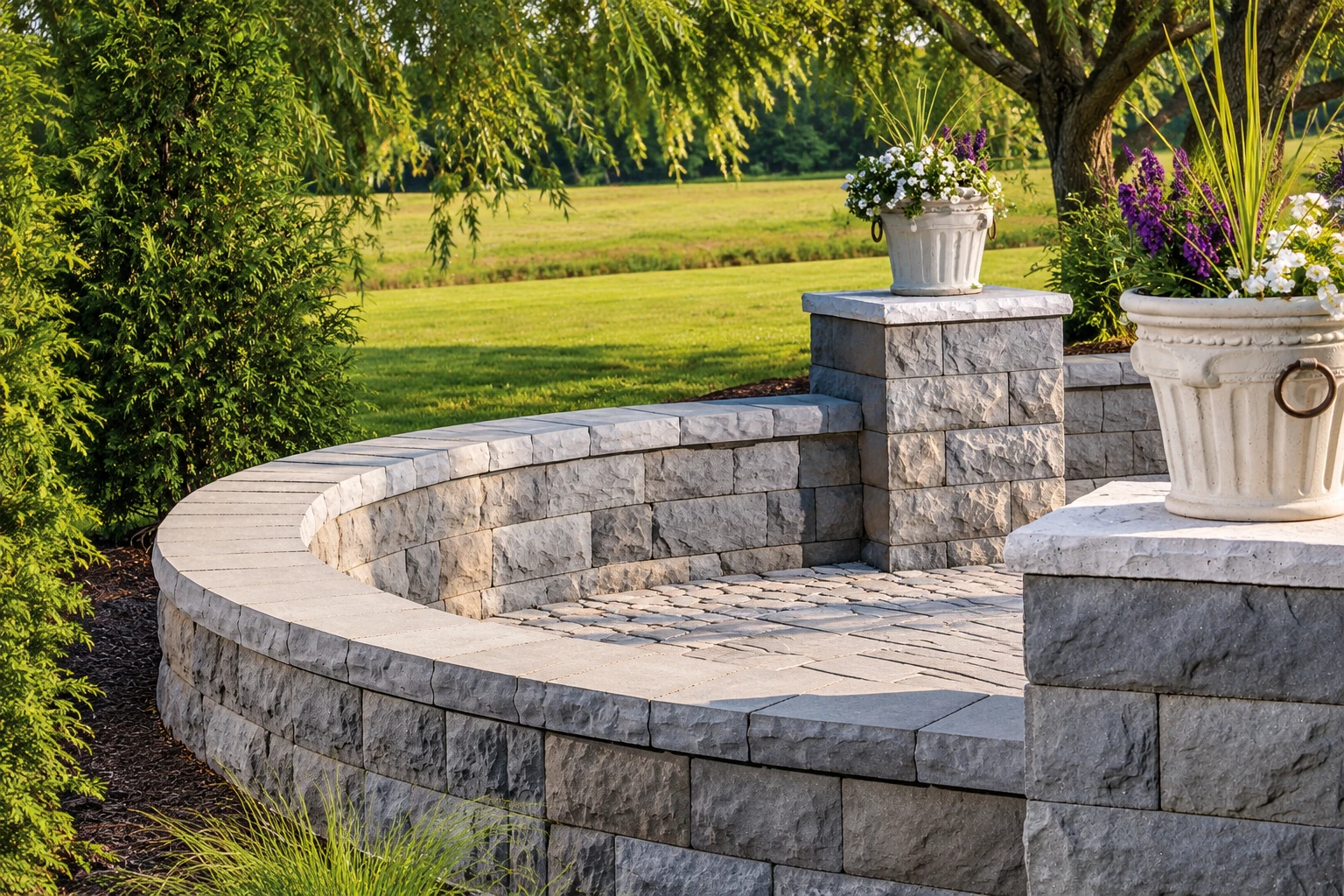
A retaining wall holds back soil and the water in it, so we plan drainage behind the wall and the footing under it before we set any forms.
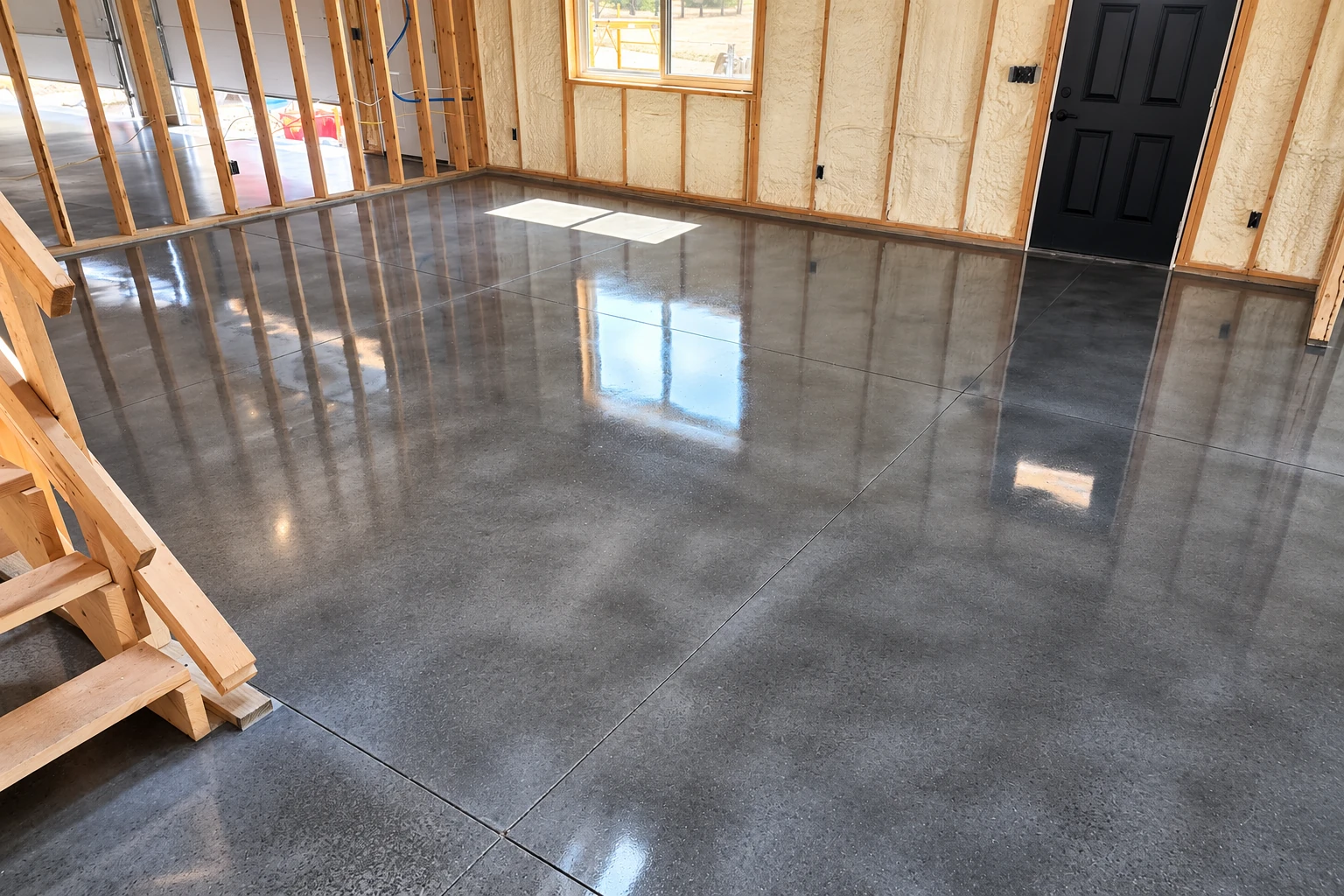
Interior slabs for shops, additions and outbuildings need a flat, level surface, so we check grades carefully and finish smooth for whatever floor covering goes on top.
Pool decks see bare feet and splashed water all day, so we give them a textured surface with grip and slope them away from the pool and the house.
Every step should rise the same height so your foot lands where it expects, which is why we measure from your door down to the walk before we build the forms.
A slab foundation is the floor and footing in one pour, so we dig the thickened edges, pack the base and tie the steel before the truck shows up.
Foundations for new homes, additions and outbuildings go in to the engineer's plans, and if something on site doesn't match them, we stop and ask before we pour.
Small lots and commercial pads take delivery trucks as well as cars, so we build the thickness and base for that load, the way I learned pouring commercial lots.
Footings carry a wall, a post or a deck, so we dig down to firm soil, set the steel and pour before anything is built on top.
When a corner of your house has dropped, I look for why it settled before we talk about lifting, and an engineer makes the call when the job needs one.
We saw doorways through foundation walls, cut out cracked sections and trim slabs for new plumbing, planning each cut so the concrete left behind stays sound.
Send the form and we'll reply within one business day to set a time, then I come out myself, look at the job and put your price in writing.
The estimate costs nothing and comes with no obligation, because I'd rather see your slab, the drainage and how the truck gets in before I give you a number.
We've been pouring concrete out of Woodland since 2013, after I learned the trade on commercial jobs where an inspector checked every phase before the next one started.
Your price is written down after I've seen the job, so you can compare it and ask about any line, and the work is backed by our satisfaction guarantee.
These are the questions we hear from Elk Grove homeowners about licensing, doing the work yourself and keeping a new slab from cracking.
Yes, on most concrete jobs. The state licensing board requires a license when the work needs a building permit, uses hired workers, or when the contracts add up to $1,000 or more in labor and materials, and a contractor has to hold it before giving you a bid. If someone's quoting your driveway without one, keep looking.
Yes, on your own home, if you meet the state licensing board's conditions. It has to be your principal residence, the work has to be done before any sale, you must have lived there for the 12 months before the work is finished, and you can't have used this exemption on more than two structures in any three-year period.
No. The state licensing board says work on a larger project can't be broken into pieces under $1,000 to get around the license, and the small-job exemption only applies when no permit is needed, no employees are used and every cost on the contracts totals less than $1,000. A driveway split into three invoices is still one driveway.
Concrete usually cracks some, so the goal is to choose where it cracks and keep the slab from settling. We dig out and pack the base instead of raking it level, check where the water runs, and cut control joints, shallow grooves that give a crack a straight line to follow, on the day of the pour. I'd trim the finish budget before I'd trim the base.
These are the cities with their own page on our site, and we work in others around Woodland too, so if yours isn't listed, call or send the form and ask.
Call (530) 309-0224 and tell me what you're seeing, so I come to Elk Grove already thinking about your job.