
Concrete driveway building
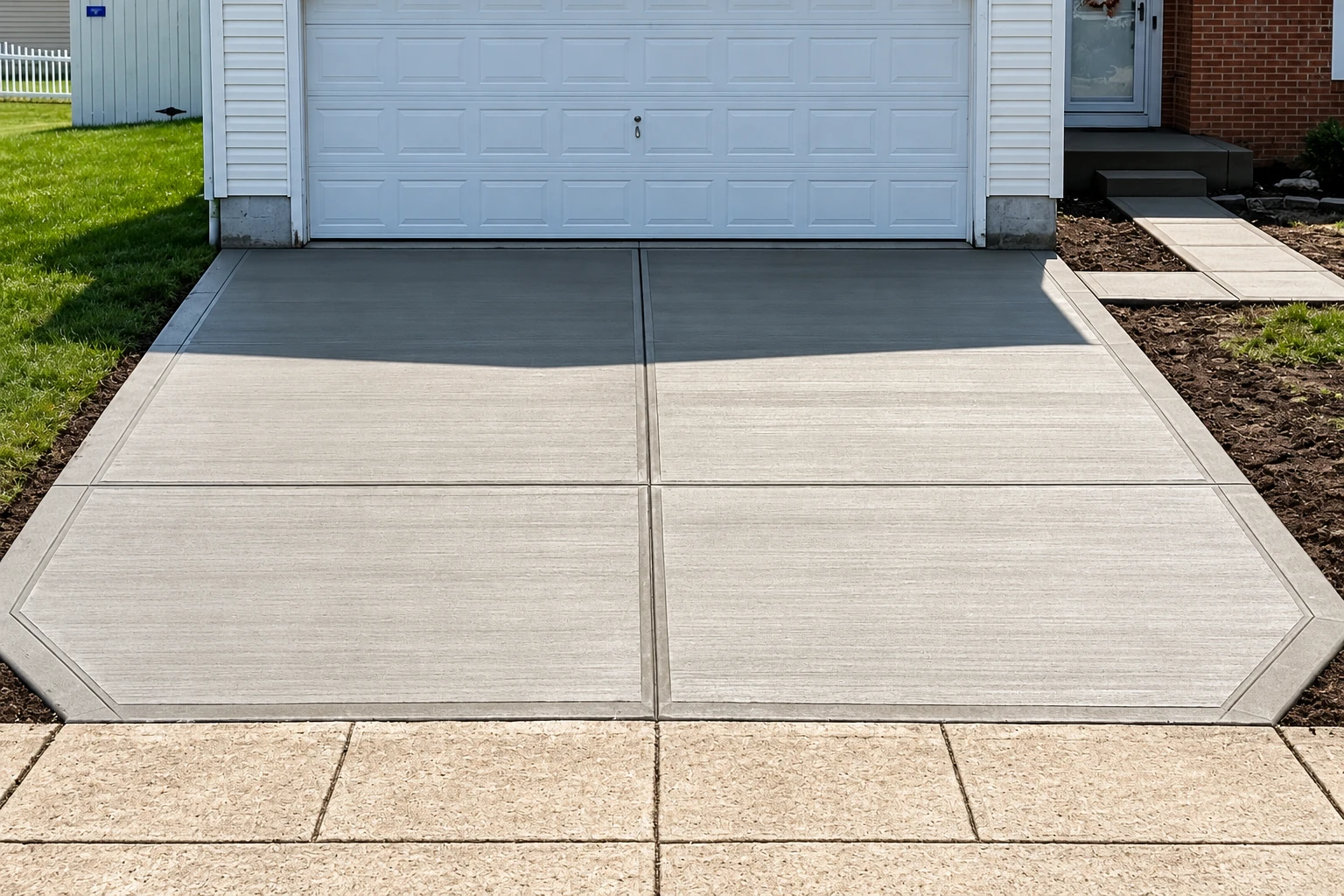
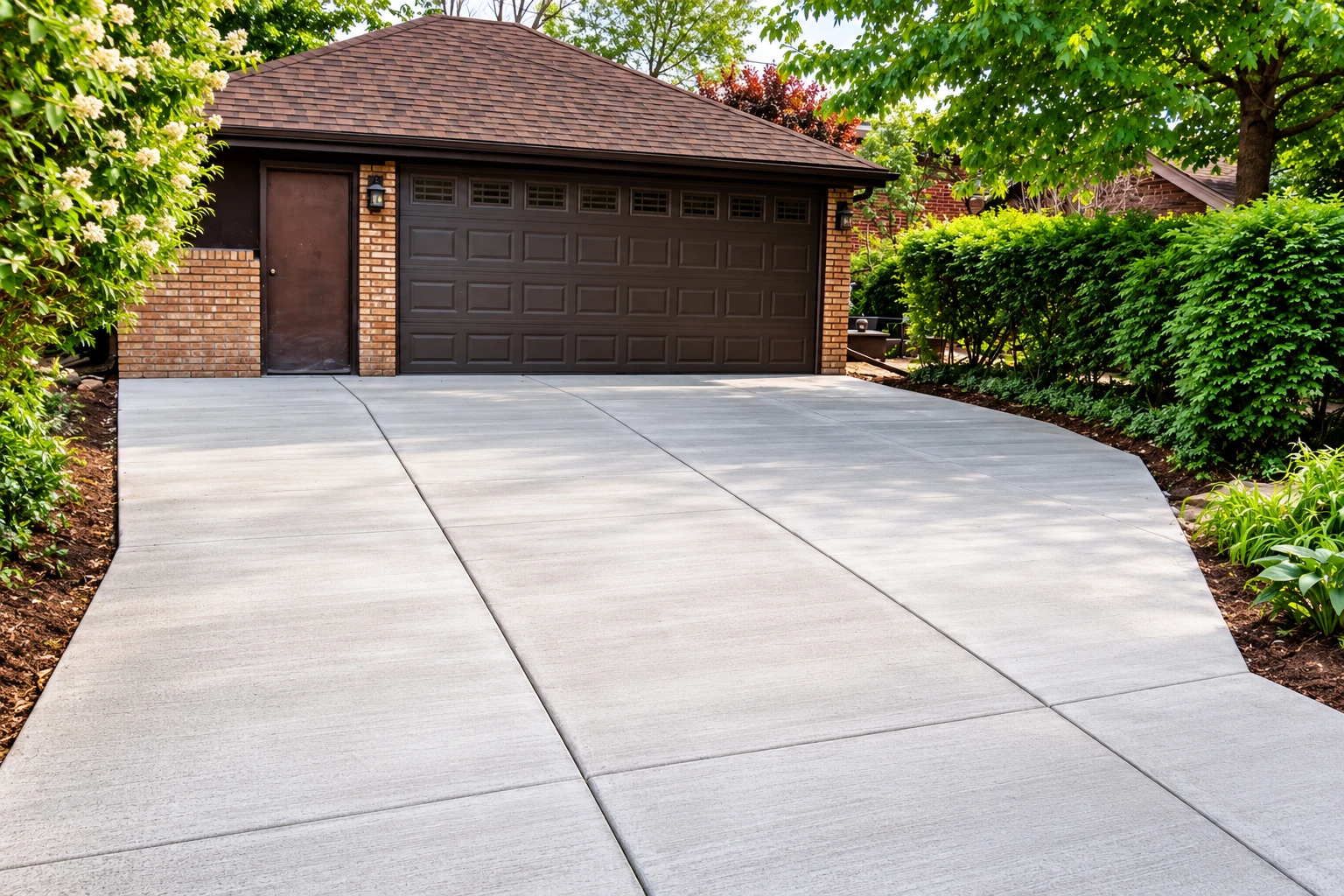
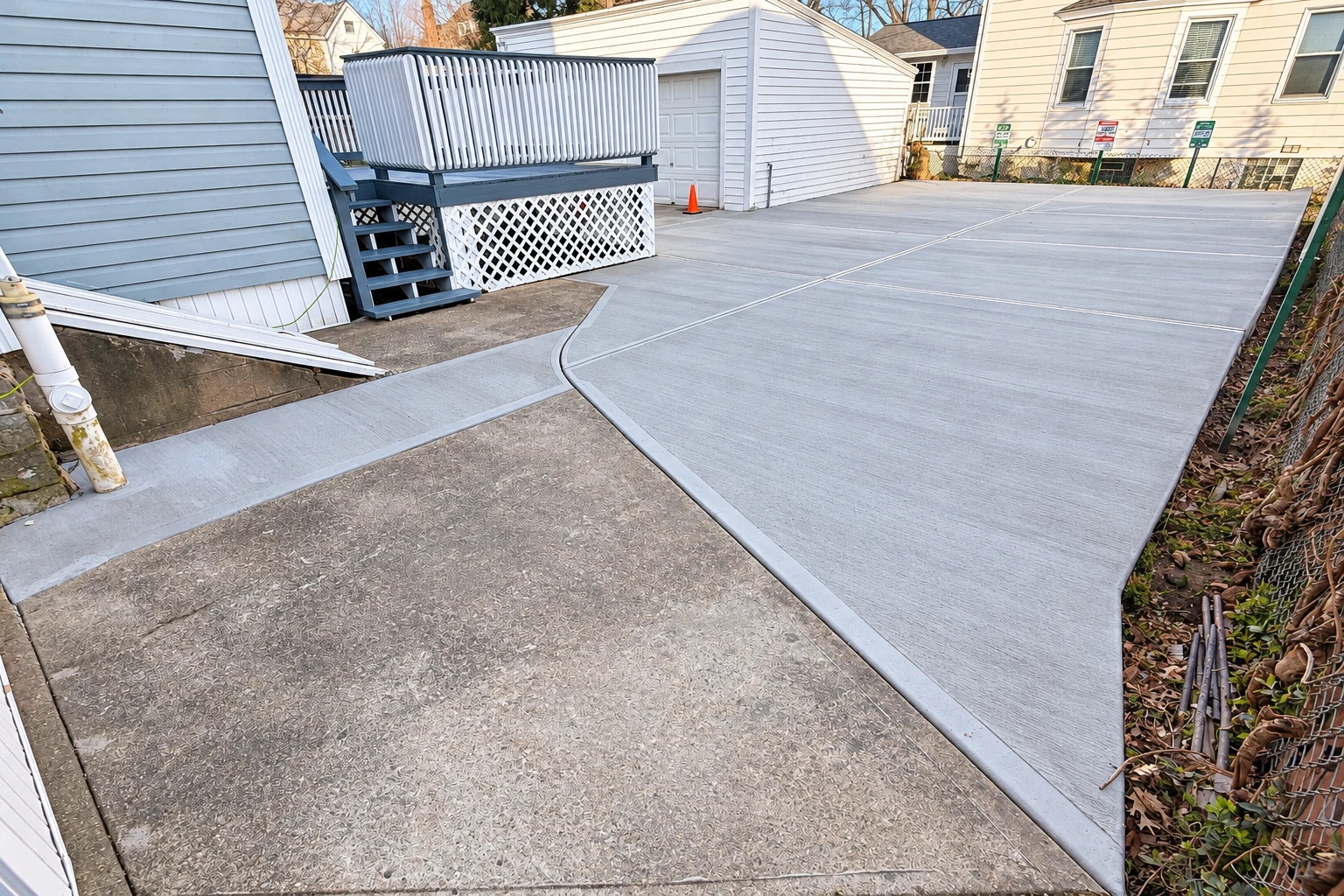
We tear out the old driveway, dig to firm ground and pack a new base, then set the slope so water heads for the street, not your garage.
R&M Woodland Concrete Company is a concrete contractor based in Woodland, CA. We pour driveways, patios, walkways, garage floors, footings and foundations for homes and small properties across the city, and we take on the tricky jobs other crews pass on.
I started this business in Woodland in 2013, and it's still where we're based. We work on older houses near downtown, newer neighborhoods on the edges of the city and small commercial lots, and we also pour in the cities around it, like Davis, Winters and Roseville. The price on a Woodland job mostly comes down to the size of the slab, how much old concrete and soft dirt has to come out first, and the finish you pick. The schedule turns on the weather and on whether the city's Building Division has to permit and inspect the work. I'll come look at it and put your price in writing.
Woodland is mostly flat, so rain doesn't run off a yard on its own, and most of it falls between November and April. That's why I look hard at where the water goes before we set forms, and why a driveway or patio here has to fall away from the house on purpose. The north side of the city near Cache Creek has seen flooded streets and homes in heavy storms, so drainage on those lots gets even more of our attention. Summers run in the mid to upper 90s, which pushes our pours toward the cooler early hours, because concrete finished in midday heat can dry too fast and leave a weak, dusty top. In the historic core, many houses date to the late 1800s and early 1900s and were built with older methods, so we plan a new walk, step or slab next to one around what's already there.
Cracks and sinking usually start underneath, so we dig out soft dirt and pack the subgrade, what the slab sits on, and if money's tight I'd trim the fancy finish before the base.
I look at the job myself, ask a lot of questions about how you'll use the slab and where the water goes now, then put the price in writing so nothing's left to guess.
Our own crew forms, pours and finishes, and I'm on site on pour days to watch the timing and the control joints, the cut lines that give a slab a planned place to crack.
We tear out the old driveway, dig to firm ground and pack a new base, then set the slope so water heads for the street, not your garage.
A backyard patio that pitches gently away from the house, with a broom finish, a light swept texture, so it isn't slick when the sprinklers or the rain hit it.
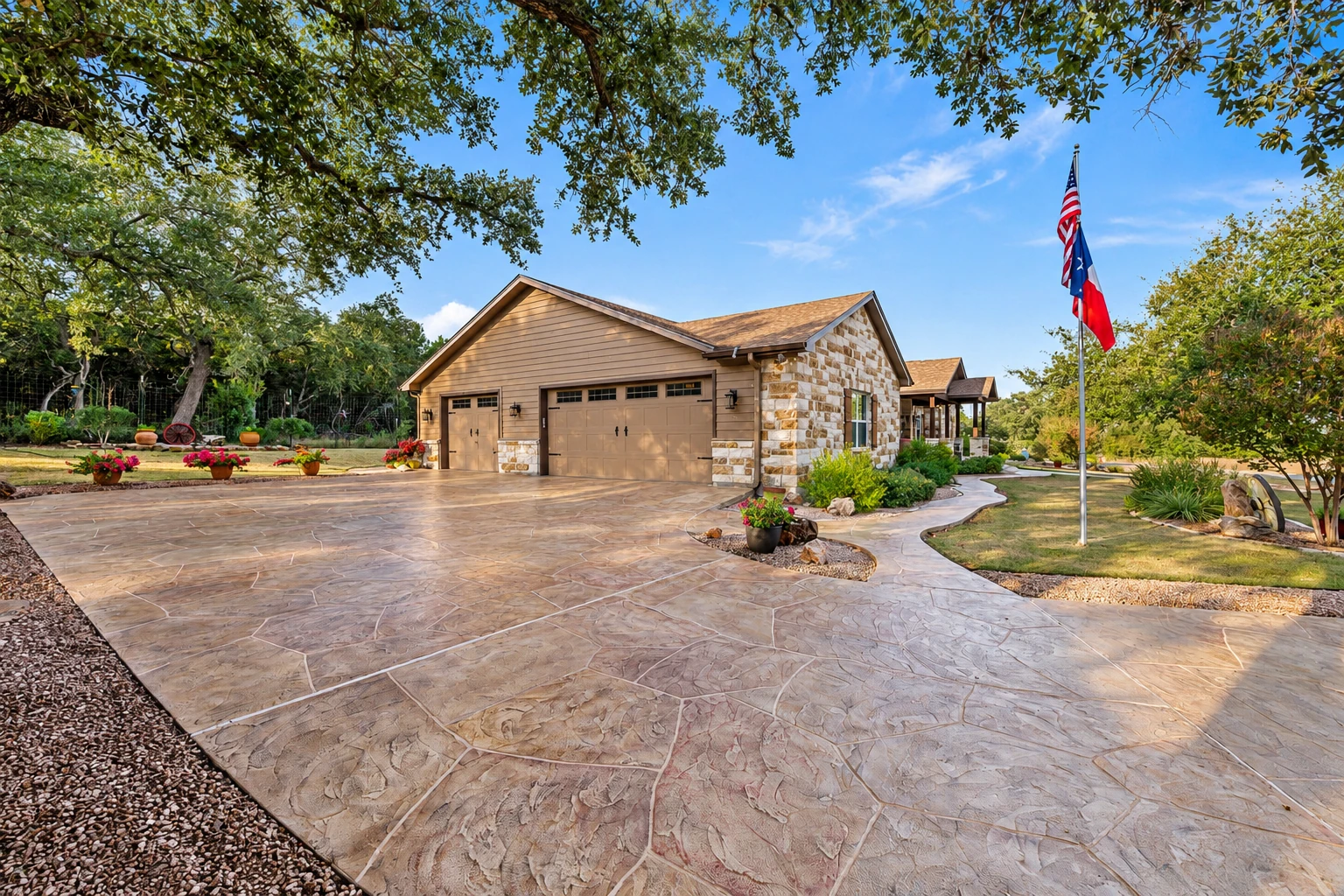
Patterns pressed into fresh concrete to look like stone, brick or slate, colored to suit your house and sealed so the color holds up under a hot summer sun.
Front walks and side paths on a packed base, with joints cut so any cracks land in the grooves instead of wandering across the walk.
New or replacement garage slabs thick enough for cars and heavy shelving, with rebar, steel bars set inside the concrete, to hold the pieces together if it cracks.
Colored concrete, saw-cut patterns and custom borders that dress up an entry or a backyard, planned around the base work first so the finish has something solid under it.
Walls that hold back a slope or a raised bed, with footings and drainage behind them, because water trapped behind a wall is what usually pushes one over.
Interior slabs for shops, additions and outbuildings, poured level and finished smooth or left ready for flooring, with the base and a moisture barrier set before the pour.
Decks around new or existing pools with a textured finish for bare feet, sloped so splash water runs to the drains instead of back toward the pool or the house.
Front and back steps formed so each one rises the same height, because a step that's off by a little is the one people trip on.
Slab foundations for homes, additions and garages, built to the engineer's plans, with the ground prepped, plumbing lines in place and steel tied before the inspector checks the pour.
Perimeter foundations for new homes, additions and replacements under older houses, with the tight spots worked out with the engineer before we start digging.
Parking areas for shops and small commercial properties, laid out so water drains, cars turn easily and the slab is thick enough where delivery trucks run.
Footings, the concrete pads that carry posts, walls and additions, dug to the depth the plans call for and checked before we pour, since you can't easily get at one later.
Lifting and leveling a settled foundation or slab after we find out why it sank, because raising it without fixing the cause usually means it settles again.
Clean cuts through slabs and foundation walls for doorways, plumbing trenches and repairs, the kind of careful job a lot of crews pass on and one I enjoy working out.
Send the form and we'll reply within one business day. I come out to see the job in person, and the estimate is free with no obligation.
A cut through a foundation wall, a slab on an awkward lot or a driveway that has to meet the street just right are the jobs we're best known for, so send the odd ones.
We answer (530) 309-0224 from 8 AM to 9 PM on weekdays and from 6 AM to 9 PM on weekends, so you can ask about a job without leaving work.
Our work is backed by our satisfaction guarantee, and I'd rather settle a detail with you at the estimate than leave you guessing about it once the concrete is down.
Practical answers about city permits, crew hours and who to check with before a concrete job starts in Woodland.
Yes, driveway work is on the city's list of work that needs a building permit, and every permitted job in Woodland gets inspected. We handle the application and schedule the inspections, so those visits get worked into the schedule before the pour. If you want to ask the city about your own project first, the building office's number is 530-661-5820.
The city's permit list names flat concrete work other than driveways as an exception, along with retaining walls under three feet tall that sit three feet from the property line or other structures. A patio over 30 inches above the surrounding grade is on the permit side, and zoning rules like setbacks can still apply. When we're not sure about yours, we check with the building office before the estimate is final.
Woodland allows construction from 7 a.m. to 6 p.m. Monday through Saturday, and from 9 a.m. to 6 p.m. on Sundays and holidays, and any exception has to be approved by the Building Official. That early weekday start matters to us in summer, because we'd rather have a slab poured and finished before the afternoon heat sets in.
The city's Community Development Department issues and renews business licenses, and it's the same department the building office belongs to. Depending on the kind of business or building work, a site can be inspected by the city's fire, building or police departments, and also by the Yolo Solano Air Quality Management District or Yolo County Environmental Health. For our part, we're licensed and fully insured.
These are the cities with their own page on our site, and they aren't the only places we work. If your city isn't listed, call or send the form and ask.
Call (530) 309-0224 or use the form and tell me what's going on with the old slab, so I show up already thinking about your job.